by Neso Academy
Computer Networks
Protocol Master & Network Architecture
About this course
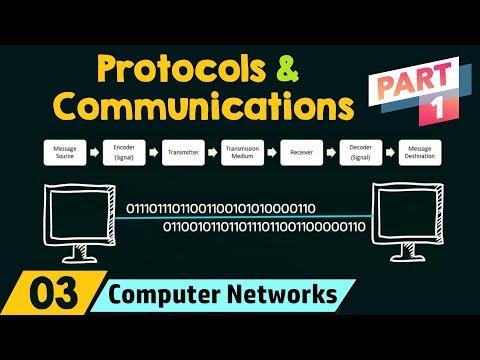
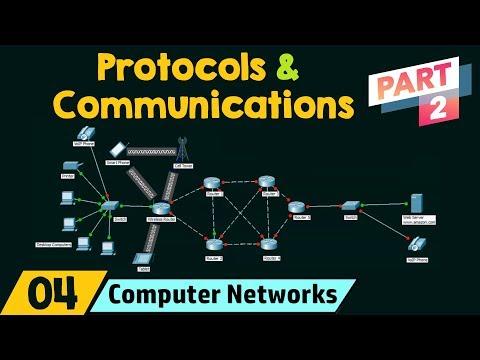
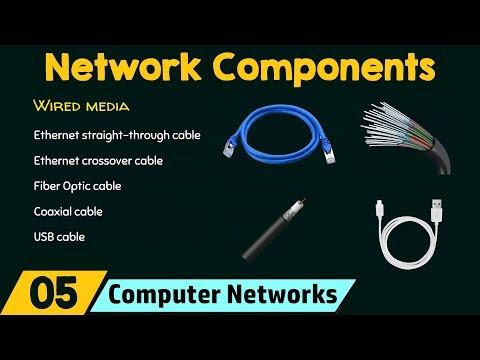
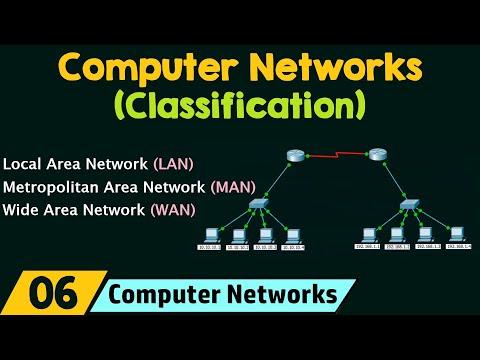
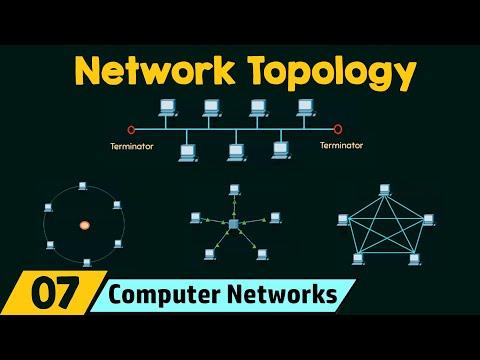
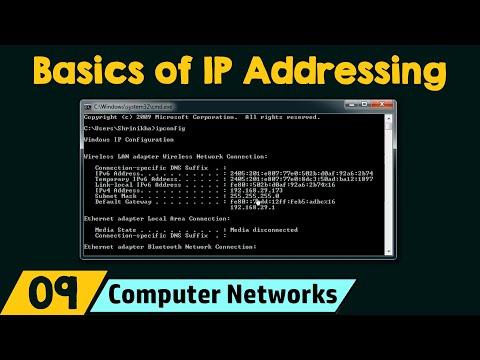
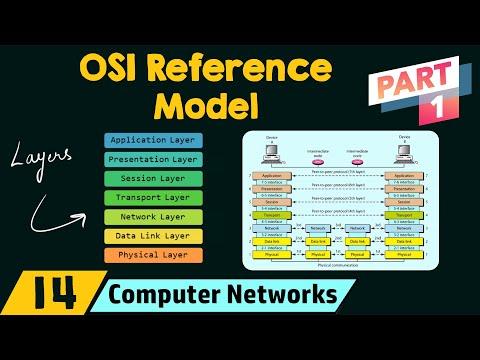
Computer networking impacts almost all aspects of our lives. Computer networks support the way we learn, communicate, play and work. Computer networking is an ever-evolving field with new technological advancements; network management can be a fun, exciting, and rewarding career path. Computer network administrators and security professionals are the ones who make sure computer systems run smoothly and seamlessly. They can install operating systems, configure networks and network management protocols, and manage network security. In this course, the fundamentals, protocols, and advanced networking concepts are dealt simply, deeply, and precisely. Understanding computer networking with OS-based networking commands, simulations using Cisco packet tracer and Wireshark packet sniffing tools are always engrossing and make learning interesting. The learner will find the following topics. 1. Fundamentals 1.1 Basic Characteristics of Computer Network. 1.2 Network Protocols and Communication. 1.3 Components of a computer network. 1.4 Classification of Computer Network: LAN, WAN, MAN, and SAN. 1.5 Network Topology: Bus, Star, Ring, Mesh, Hybrid. 1.6 Network Devices: Router, Switch, HUB, Bridge. 1.7 Circuit Switching vs Packet Switching networks. 1.8 The OSI Reference Model. 1.9 TCP/IP Model. 2. Data Link Layer 2.1 Link Layer services. 2.2 Framing. 2.3 Flow Control. 2.4 Error Detection and Error Control. 2.5 Media Access Control. 2.6 Ethernet(IEEE 802.3), Wi-Fi (IEEE 802.11) and Bluetooth (IEEE 802.15). 2.7 Switching and Bridging. 2.8 Spanning Tree Protocol (STP). 3. Network Layer 3.1 IP protocol and IP address: Public and Private. 3.2 Classful addressing versus classless addressing. 3.3 Subnetting and CIDR. 3.4 Static and Dynamic Routing. 3.5 Distance Vector – RIP. 3.6 Link State Routing – OSPF. 3.7 BGP and EIGRP. 3.8 Network Address Translation (NAT). 3.9 Dynamic Host Configuration Protocol (DHCP). 3.10 IPV6. 4. Transport Layer 4.1 User Datagram Protocol (UDP). 4.2 Transmission Control Protocol (TCP). 4.3 TCP Connection establishment and termination. 4.4 Flow control. 4.5 Retransmission. 4.6 TCP Congestion control. 4.7 Congestion avoidance. 4.8 Quality of Service (QoS). 5. Application Layer 5.1 Electronic mail protocols: SMTP, POP3, and IMAP. 5.2 HyperText Transfer Protocol (HTTP). 5.3 Domain Name System (DNS). 5.4 Simple Mail Transfer Protocol (SMTP). 6. Network Security 6.1 Security Threats and Attacks. 6.2 The OSI security architecture. 6.3 Cryptography. 6.4 Public key and Private key Cryptography. 6.5 Malicious software.